Settling & Sinking Foundations
A section of foundation that drops relative to the rest of the house usually means the soil under it has compressed or washed out. It rarely stays at one depth once it starts.

We use helical piers, push piers, underpinning and wall anchors to reach past moving soil and rest your foundation on soil that will hold it. The work comes with a transferable structural warranty.
4.9 out of 5 stars
Eleven winters of moving boxes to higher ground, and this January the floor was bone dry through a week of steady rain. The crew laid plastic over everything, hauled the spoil out by bucket and swept up each evening. Marcus explained the cove joint problem in a way that finally made sense.
Two other companies wanted to tear up my entire basement floor. These guys looked at it and said the water was coming through two cracks, injected both, and charged a fraction of what I was quoted elsewhere. Two wet seasons later, still dry. They diagnosed instead of selling.
The musty smell in our bedrooms is completely gone, that alone was worth it. Humidity went from 78% to 47%, the floors are noticeably warmer through the winter, and our PGE bill dropped. Honestly did not expect the energy difference.
Our kitchen floor had been bouncy for years and I assumed it was just an old house. Turned out three joists had rotted at the sill. They sistered them, set proper piers, and the floor is solid for the first time since we bought the place.
Excellent work and the water intrusion is completely resolved. Only reason for four stars is scheduling slipped by about a week during the November rush, though they were upfront about it and knocked something off the invoice.
Called at 6am during an atmospheric river with water coming in. They had someone here before nine to look at it and did not gouge me on emergency pricing. The permanent fix went in the following week and I have not thought about the basement since.
They did the structural work first and then sealed it, and explained exactly why that order mattered. Another company had quoted just the liner, over rotted joists. Glad I got a second opinion. The house sold without a single crawl space comment from the inspector.
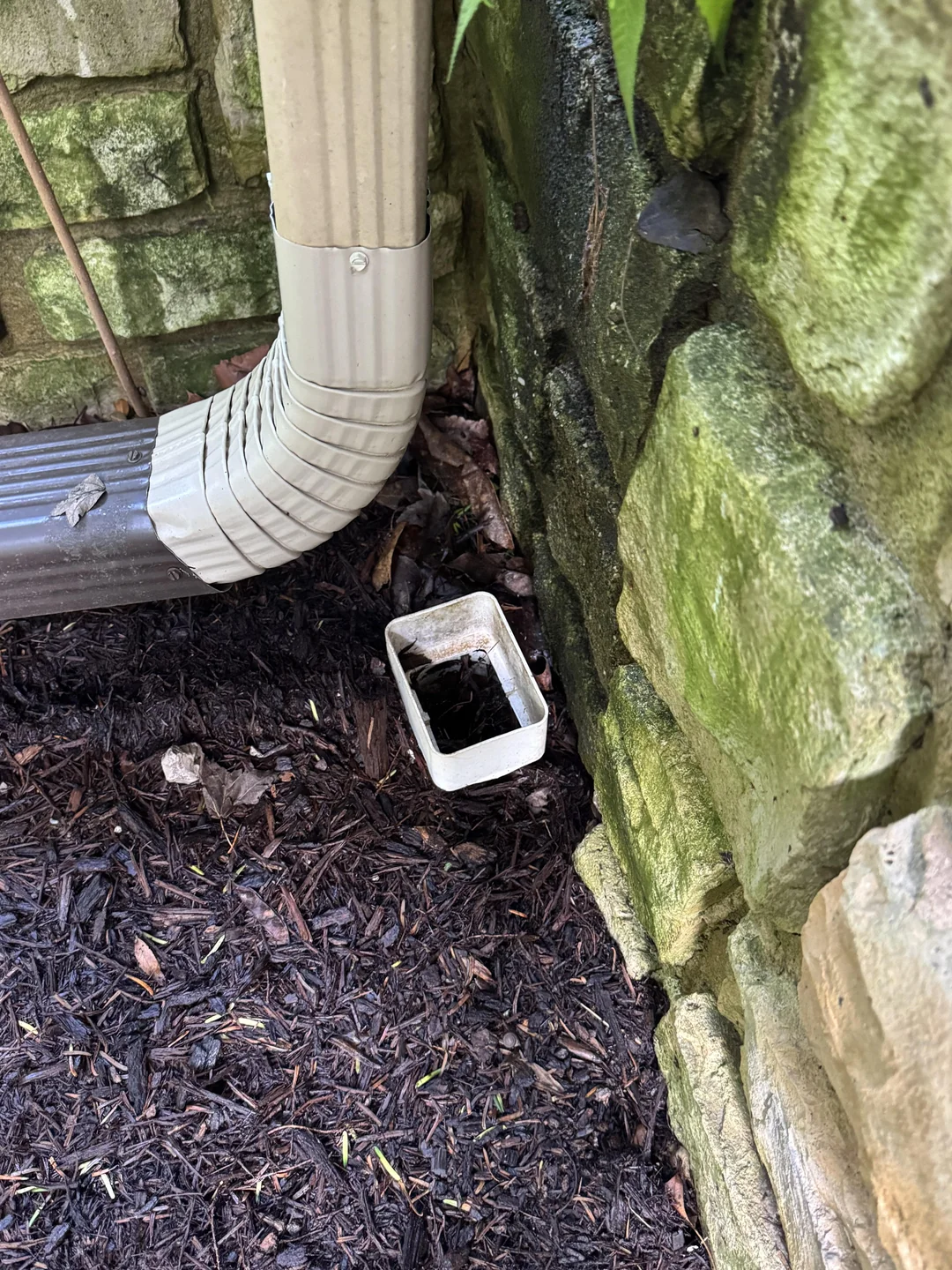
They came out, spent forty minutes, and told me my problem was a downspout dumping straight against the foundation instead of into the drain line, a $40 fix I could do myself. Did not try to sell me a thing. When I do need real work done, there is no question who I am calling.
Ninety-year-old house that had never had anything done to it. They worked straight through January in the rain, which I did not think was even possible, and kept the site cleaner than I expected. Clear pricing and written moisture readings at the end.
One corner of the house had been sinking for years and I kept putting it off. They found the cause during the inspection, explained push piers versus helical piers in a way I actually understood, and the door that never closed right now shuts like new. Wish I had called sooner.
Foundation repair addresses the structure itself: a corner that has settled, a wall that is bowing or leaning, or floors that have gone uneven because something under the house has moved. That is a different question from a basement that is simply taking on water, and the two get diagnosed separately before either one is quoted.
Portland soil is mostly clay, silt and older fill dirt. This soil gets bigger when it is wet and smaller when it dries out. After enough wet seasons, that movement can settle one footing more than another, or push against a wall until it starts to bow. Older homes often have shallower footings, so they show this first.
Not every crack or uneven floor means the foundation is moving. Working out which one you actually have is the first step, and it decides whether the fix is a resin injection or a pier driven to load-bearing soil.
The inspection that answers that question is free, and it comes with a written scope before any work starts.
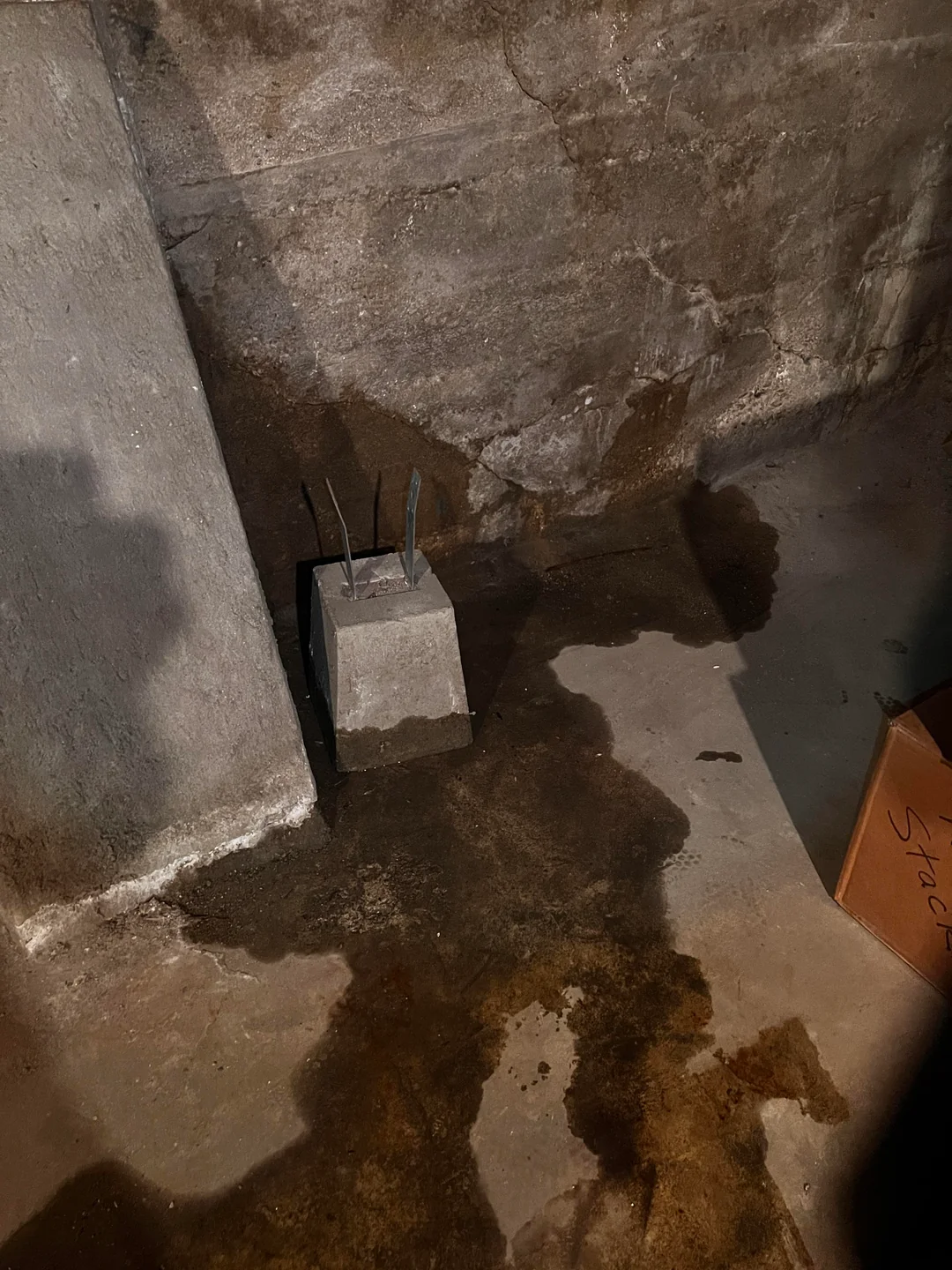
A section of foundation that drops relative to the rest of the house usually means the soil under it has compressed or washed out. It rarely stays at one depth once it starts.
A crack in a foundation wall can be simple shrinkage or a sign of movement, depending on its shape and whether the wall around it has shifted. The two look similar until someone measures them.
A wall that curves inward or leans is under sideways pressure it was not built to carry forever. This is a structural problem, not a cosmetic one.
A floor that slopes or has a noticeable dip often traces back to a settled foundation or a dropped support below it. An inspection is what actually confirms the source.
A zigzag crack that follows the mortar joints in brick or block veneer points to one section of the foundation settling more than the section next to it.
Any of the signs above can come from the same movement instead of being separate problems. The repair plan follows what the inspection finds, not just the first sign you noticed.
New cracking in drywall, brick or siding, especially near corners or above door and window openings, can follow foundation movement.
A door or window that binds year-round, not just in humid weather, is often following a frame that has shifted with the foundation below it.
A visible dip or slope across a room can point to a settled footing or a support that has dropped.
A gap opening up where a wall meets the floor or ceiling, or where trim used to sit flush, usually means something behind it has moved.
A basement wall that curves inward or leans is under lateral pressure and should be assessed before it moves further.
A foundation that has visibly dropped on one side, seen from outside at the base of the house, is settlement that has already progressed.
Soil under a foundation does not compress evenly. When one section settles more than the rest, the foundation above it follows, and the structure carries that stress until something gives.
Portland soil holds water for months at a stretch and then dries out again each summer. That repeated swelling and shrinking around a foundation is one of the most common drivers of movement here.
Older homes were often built with shallower footings and less consistent soil compaction than current codes call for. Age alone does not mean a foundation is failing, but it does mean less margin is built in.
Fill dirt that was never packed down well, or ground disturbed by an earlier addition, keeps settling under the load long after construction ends.
A helical pier is mechanically screwed into the ground to load-bearing depth, then used to transfer the foundation load off soil that is moving. It works well on lighter structures where the piers alone can reach capacity.
A push pier is driven hydraulically using the weight of the house itself to reach load-bearing soil. It is the usual choice for heavier structures where that weight is what advances the pier to full capacity.
Underpinning makes a footing deeper, or adds new support under it, so the foundation rests on soil it can rely on. We use it where piers alone are not the right fit.
A bowing or leaning wall gets braced and, where the movement allows it, pulled back toward plumb, stopping the lateral pressure from continuing to push it further.
Steel anchors sit in stable soil beyond the house and connect through the wall to plates inside. Tightening the rods between them pushes back against the soil pressure that is bowing the wall.
Where the inspection finds a crack rather than active movement, it gets sealed by injection the same way [a standalone crack does](/basement-crack-repair/), through the full thickness of the wall rather than patched at the surface.
Foundation settlement is the structure itself moving, usually because the soil under one section has compressed, washed out or shifted more than the soil under the rest of the house. It shows up as sloping floors, sticking doors, or a wall that has started to bow or lean.
A foundation crack is an opening in the concrete or block. Some cracks come from ordinary shrinkage as concrete cures and mean nothing structural. Others are a symptom of the settlement described above, and the wall around them has actually moved.
The two get treated differently because they are different problems. A crack with no surrounding movement is usually sealed by injection. A crack that comes with a bowing wall or a sloping floor points to settlement, and sealing it alone does nothing to stop the movement causing it.
A vertical crack running straight up and down is usually ordinary concrete shrinkage. Most are not structural, though they can still leak.
A horizontal crack, often paired with the wall bowing inward, points to lateral soil pressure rather than shrinkage. It needs an assessment, not a patch.
A stair-step crack following the mortar joints in a block or brick wall means the foundation is settling unevenly on one side.
A crack that keeps widening or offsetting between visits, rather than staying the same size, is telling you the movement behind it has not stopped.
Foundation movement that starts in one corner or along one wall rarely stays contained there. Left alone, it can extend to framing, floors and finishes elsewhere in the house.
We can often stabilize a bowing wall in place if we catch it early. The further it moves, the more likely the repair also has to push the wall back, not just stop it.
Where drainage or soil moisture is part of what caused the movement, leaving that condition in place can keep feeding the same problem after a repair, or start a new one nearby.
The inspection that gives you a price is free. The proposal after it is a fixed price in writing, not an estimate that grows once the crew shows up. 0% financing runs for 18 months on any project.
Get My Free Written EstimateWe check the foundation walls, footings and floors directly, measuring any cracks and looking for the pattern that points to where and why movement is happening.
The diagnosis decides the fix: piers for settlement, anchors for a bowing wall, or injection where the concrete itself is sound and only a crack needs sealing.
Piers, anchors or underpinning go in to the depth or position the plan calls for, transferring load off the soil or wall section that was moving.
We check the completed repair, clean the work area, and walk you through what was done along with your warranty documentation.
Foundation repair addresses the footings and walls that carry the entire structure: piers, underpinning, wall anchors and the settlement or movement they correct. It answers whether the foundation itself is stable.
Crawl space repair fixes the framing that sits on top of that foundation: joists, beams, sill plates and support posts. Moisture usually damages these, not soil movement. This answers whether the floor above a crawl space is structurally sound.
The two can look similar from inside the house: a sagging or uneven floor can come from either one. Crawl space repair is the fix when the framing itself has deteriorated. Foundation repair is the fix when the foundation below that framing has moved, and an inspection is what tells the two apart.
Choosing a contractor for foundation repair comes down to 2 questions: is the problem still solved in 10 years, and is the company that promised it still answering the phone. We have been answering since 1994. Portland homeowners pick us for 4 reasons, listed below.
We carry an active Oregon contractor license, bond and insurance, so you can check us out before you let a crew into your basement. Since 1994 we have waterproofed 9,800 properties across the city of Portland.
We are a Portland business, not a national franchise. We know this ground, from flood silt on the east side to hillside seepage above Burnside, because we have already dug into it.
Every technician is our own employee, background-checked and trained on our own systems. We test, measure and diagnose before we quote, and we cancel proposals regularly once the real fix turns out to be a downspout extension.
Every system carries a lifetime warranty that covers labor and materials, not just parts. It transfers once to the next owner at no cost, which turns a wet-basement history into a selling point instead of a repair bill.
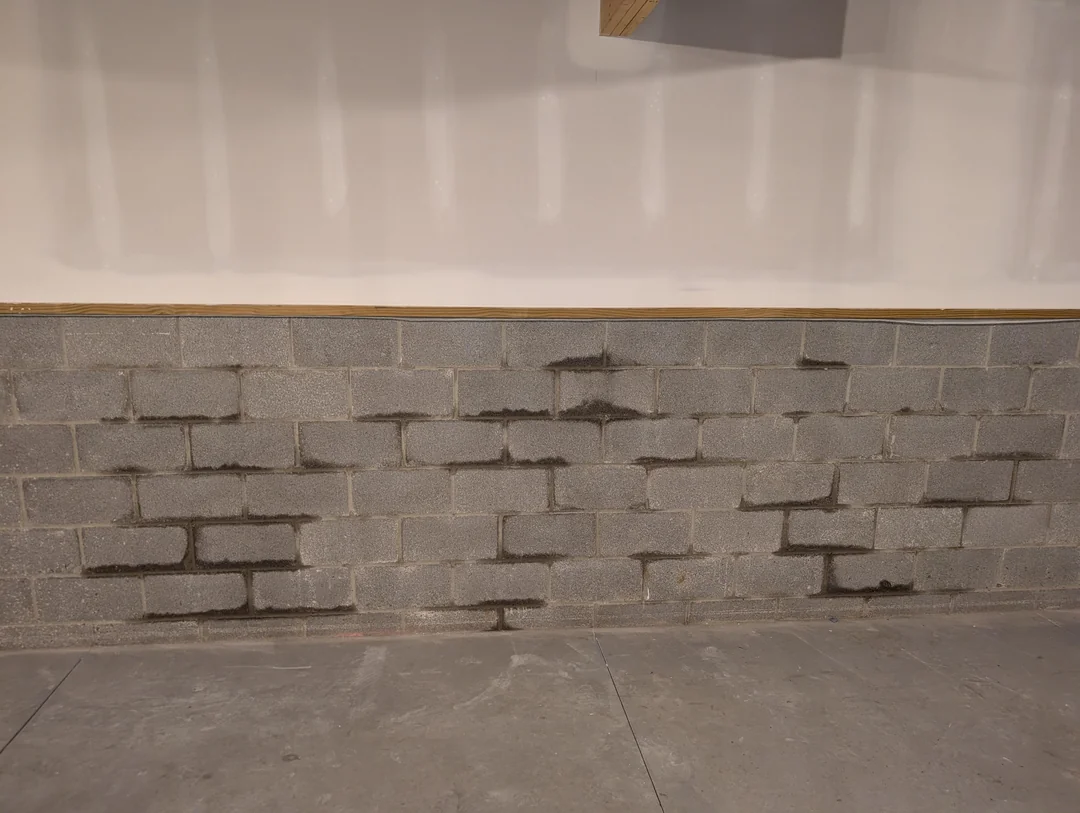
Beaumont-Wilshire, Portland
A basement wall was bowing inward under years of saturated soil pressure. Steel wall anchors stopped the movement without rebuilding the wall.
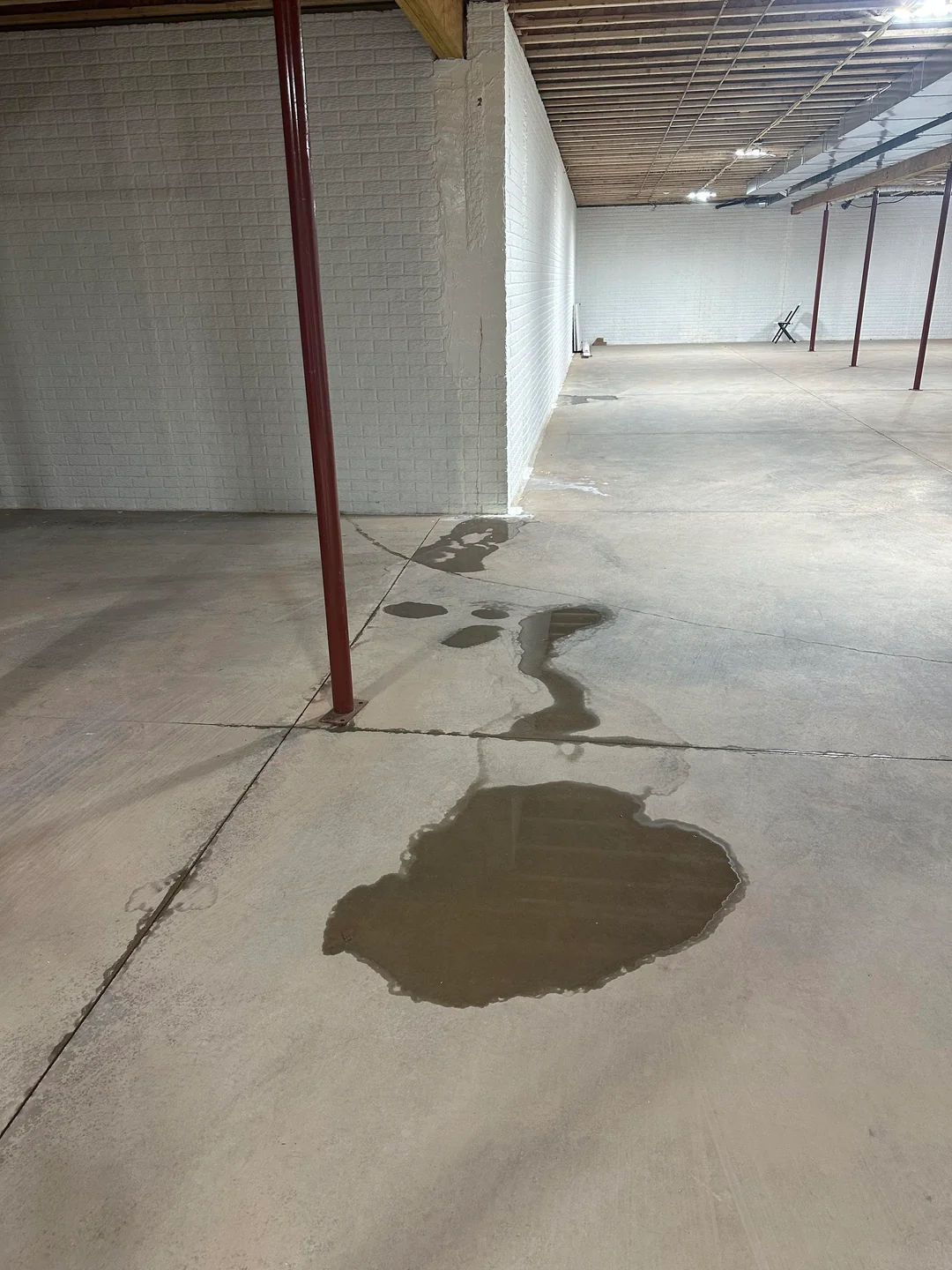
Woodstock, Portland
One corner of a 1948 ranch had dropped almost an inch. Helical piers reached load-bearing soil and lifted it back, without touching the rest of the foundation.
Kenton, Portland
A brick foundation corner had settled under the weight of a two-story addition. Push piers used that same weight to reach bedrock and lift the corner back.
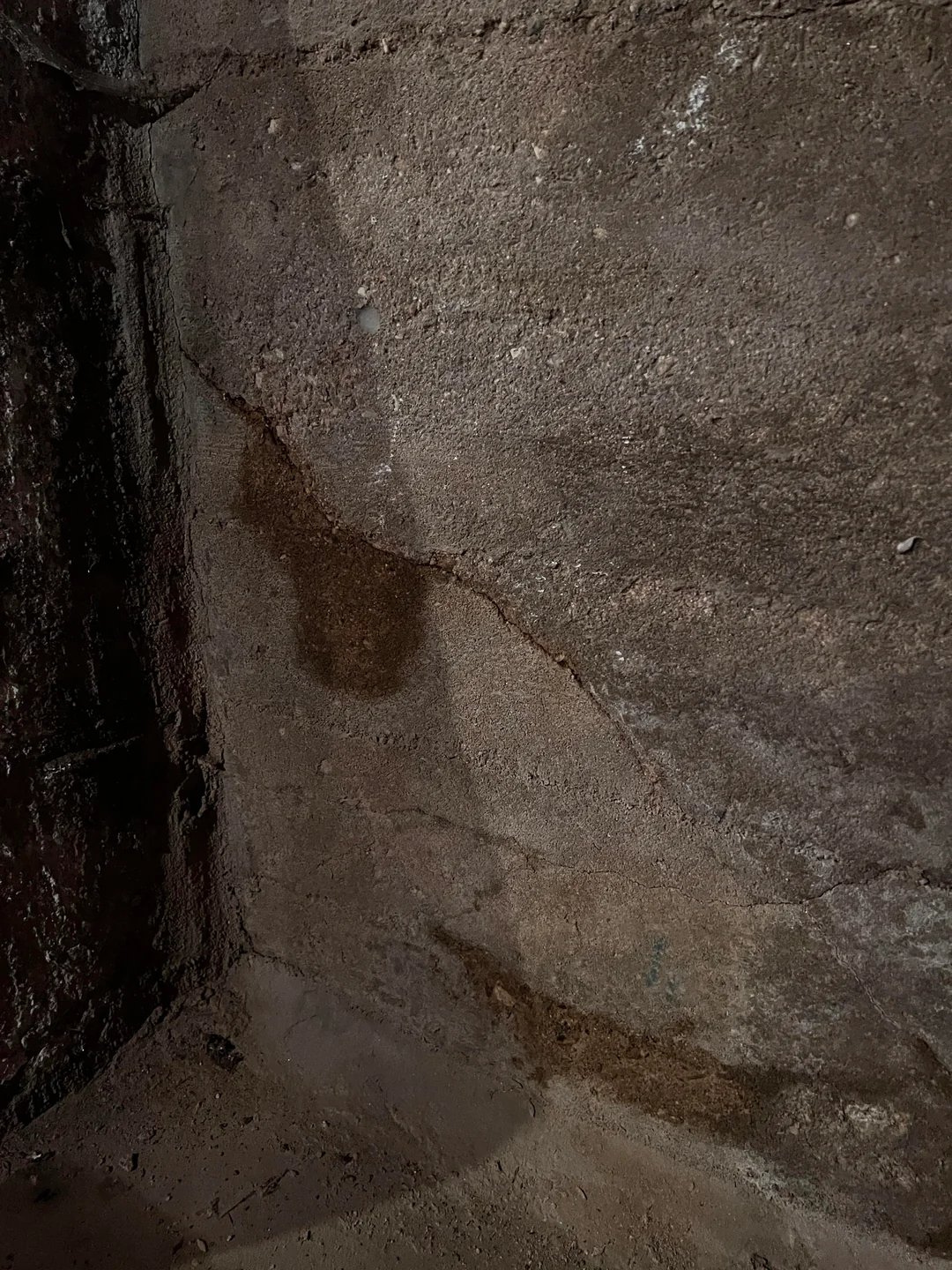
We inject epoxy or polyurethane resin through the full thickness of your foundation wall, not just the surface. The repair is structural, and it carries a lifetime no-re-leak guarantee.
Explore Service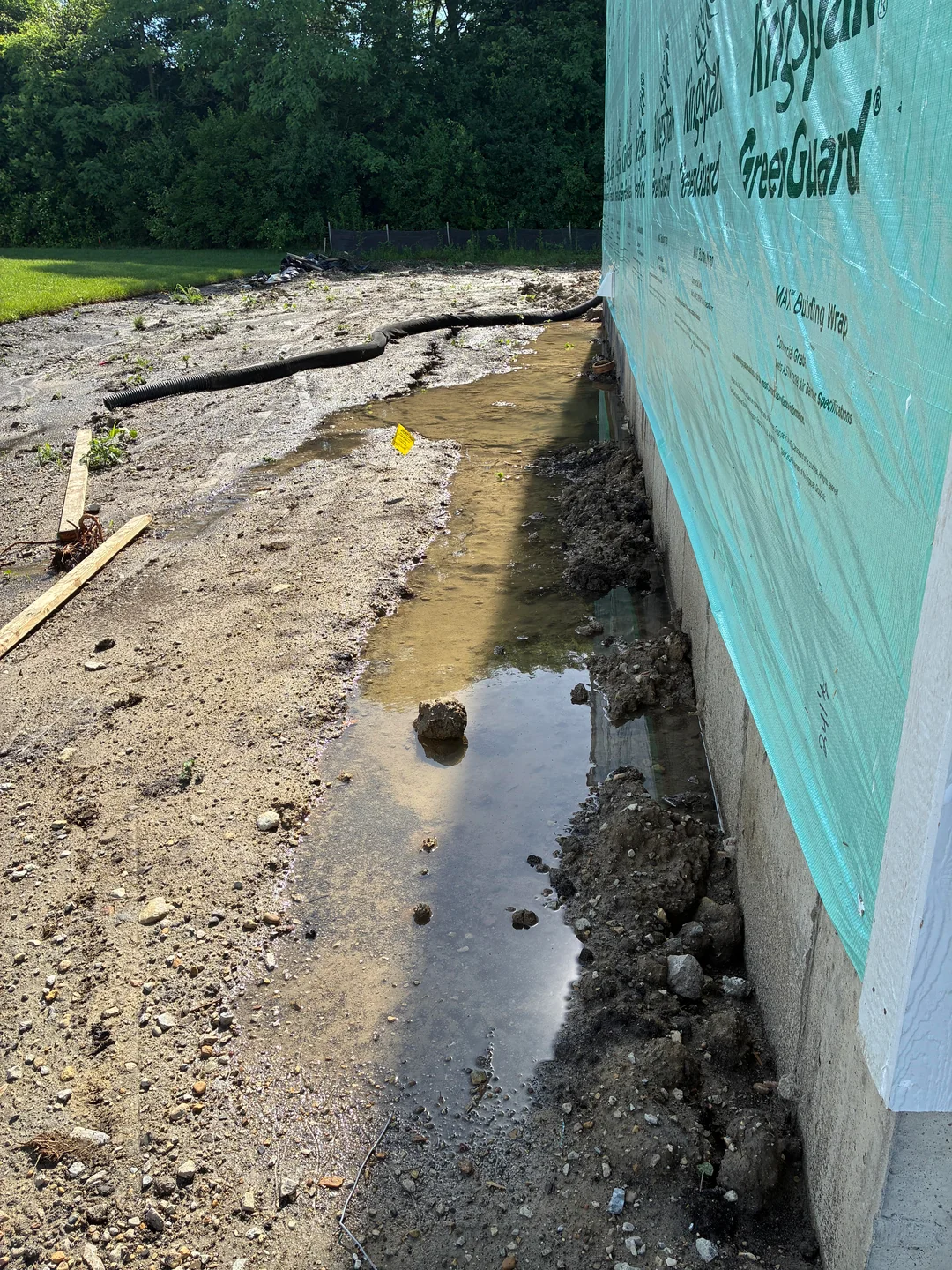
Basement waterproofing, basement crack repair, crawl space encapsulation and crawl space repair for homeowners inside the city of Portland, Oregon.
Explore Service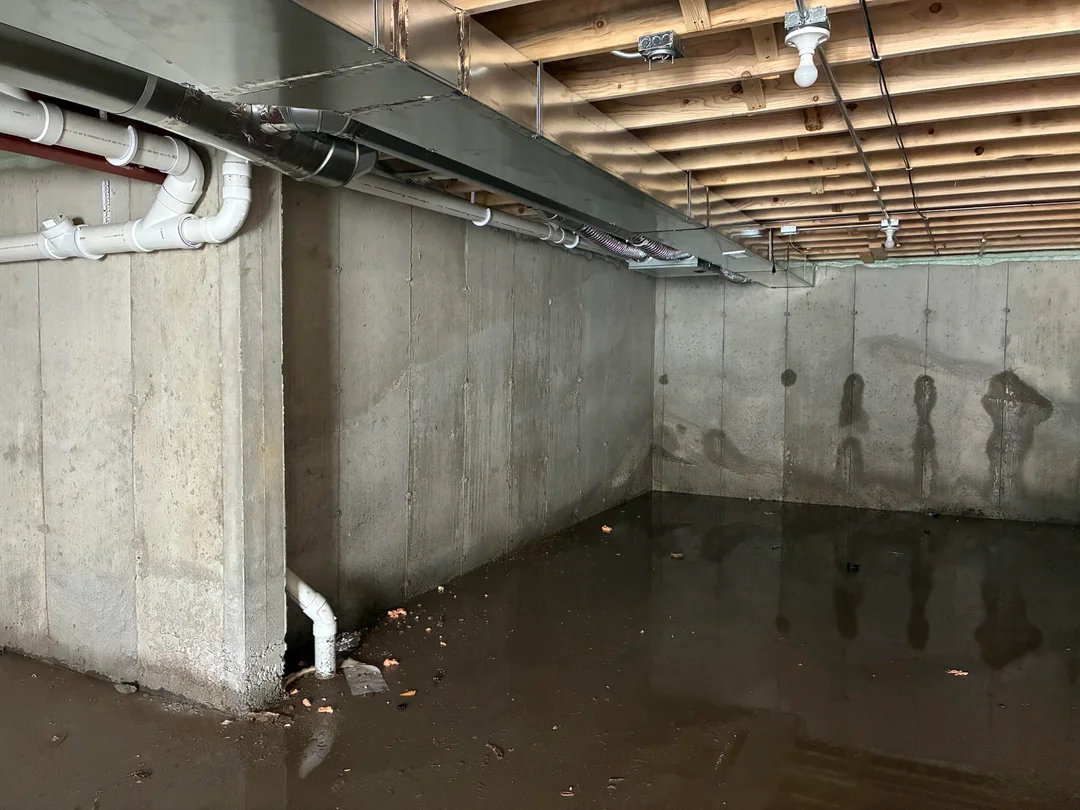
We repair rotted joists, sagging floors, failed insulation and settled piers before a crawl space gets sealed and left alone. Structural work always comes first.
Explore ServiceSticking doors, sloping floors, new wall cracks and a foundation that looks visibly uneven from outside are all reasons to have it inspected. None of these signs alone confirms the cause or how serious it is, which is why an inspection, not a guess from the signs, is what actually tells you.
A horizontal crack with the wall bowing inward, a stair-step crack wider than a quarter inch, or any crack that keeps growing between visits are the ones to treat as urgent. A vertical hairline crack with no offset is the common, usually benign kind, though it can still leak.
Soil movement is the most common cause here. Portland clay and silt soil gets bigger in the wet season and smaller in summer. That cycle, plus poorly packed fill dirt or an old footing, can settle a foundation unevenly over time.
In the great majority of cases, yes. Helical piers, push piers or underpinning transfer the load off the soil that is moving and onto soil that will hold it. How much lift is realistic depends on the structure and how far it has already settled, which the inspection determines.
A helical pier is mechanically screwed into the ground, which works well on lighter structures. A push pier is driven hydraulically using the weight of the house itself to reach load-bearing soil, which is usually the better fit for heavier structures. We choose based on what the structure and the soil actually call for.
No. Where the inspection finds a crack with no real settlement behind it, sealing it by injection is often the whole fix. Piers, underpinning or wall anchors come into the plan once the diagnosis shows the foundation itself is moving.
Often, yes, when the cause is a settled or dropped section of foundation underneath. The amount of correction possible depends on how the house was framed and how far it has settled, which is confirmed during the inspection rather than assumed beforehand.
It depends on the scope. Foundation repair in Portland runs $1,500 to $3,000 per pier or anchor, and most projects need 3 to 8 of them. Financing options apply the same way here as on any other project, and a written estimate stating the exact number follows the inspection, not a guess made in advance.
Most projects take 2 to 5 days, depending on how many piers or anchors are needed and how much excavation or interior access the work requires. The timeline gets confirmed once the scope is known.
Sometimes. Most foundation repairs we carry out do not require a separate engineer, but a severe case, or one tied to a home sale or insurance claim, can call for a stamped engineering report. We will tell you plainly during the inspection if your situation is one of those.
Usually, yes. Structural work such as setting piers or underpinning a footing is treated as more than routine repair in most jurisdictions, so a permit is typically required. We confirm what your scope needs and pull any required permit ourselves. You can check the general rules yourself at the Oregon Building Codes Division (opens in a new tab).
Along the same line, yes, once the movement causing them is stabilized. If the crack was a symptom of settlement, sealing it without addressing the settlement itself would let the same problem reopen, which is why the repair plan treats the cause rather than only the crack.
Need Foundation Repair? We Are Always Ready
Our crew is one call away. We know how stressful this gets, so we run 24/7 emergency dispatch across Portland and give you a fixed price before any work starts.
Portland ZIP codes we cover
Water in the basement, a foundation crack you have been watching, or a crawl space nobody wants to open. Get a straight diagnosis from BWP Portland, with fast response, fixed pricing and workmanship guaranteed for life across the city of Portland.