Portland’s Long Wet Season & Ground Moisture
Portland gets rain for about seven months of the year. Bare soil under a crawl space keeps giving off moisture the whole time, and that moisture has nowhere to go but up into the air under your floor.

We seal your crawl space floor and walls with a 20-mil vapor barrier, insulate the rim joists, and hold humidity under 55%. A damp dirt crawl space becomes clean, dry space you can actually use.
4.9 out of 5 stars
Eleven winters of moving boxes to higher ground, and this January the floor was bone dry through a week of steady rain. The crew laid plastic over everything, hauled the spoil out by bucket and swept up each evening. Marcus explained the cove joint problem in a way that finally made sense.
Two other companies wanted to tear up my entire basement floor. These guys looked at it and said the water was coming through two cracks, injected both, and charged a fraction of what I was quoted elsewhere. Two wet seasons later, still dry. They diagnosed instead of selling.
The musty smell in our bedrooms is completely gone, that alone was worth it. Humidity went from 78% to 47%, the floors are noticeably warmer through the winter, and our PGE bill dropped. Honestly did not expect the energy difference.
Our kitchen floor had been bouncy for years and I assumed it was just an old house. Turned out three joists had rotted at the sill. They sistered them, set proper piers, and the floor is solid for the first time since we bought the place.
Excellent work and the water intrusion is completely resolved. Only reason for four stars is scheduling slipped by about a week during the November rush, though they were upfront about it and knocked something off the invoice.
Called at 6am during an atmospheric river with water coming in. They had someone here before nine to look at it and did not gouge me on emergency pricing. The permanent fix went in the following week and I have not thought about the basement since.
They did the structural work first and then sealed it, and explained exactly why that order mattered. Another company had quoted just the liner, over rotted joists. Glad I got a second opinion. The house sold without a single crawl space comment from the inspector.
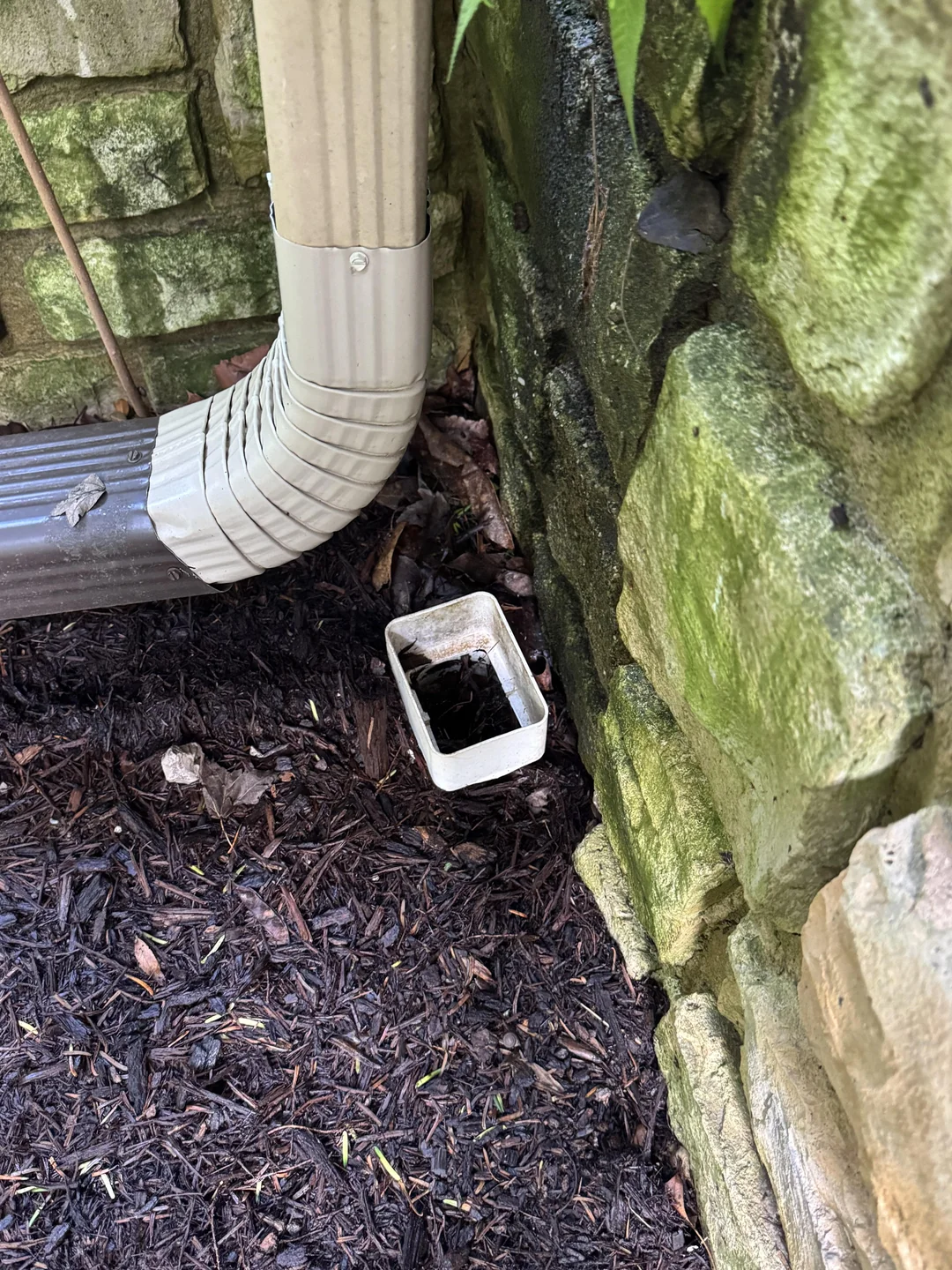
They came out, spent forty minutes, and told me my problem was a downspout dumping straight against the foundation instead of into the drain line, a $40 fix I could do myself. Did not try to sell me a thing. When I do need real work done, there is no question who I am calling.
Ninety-year-old house that had never had anything done to it. They worked straight through January in the rain, which I did not think was even possible, and kept the site cleaner than I expected. Clear pricing and written moisture readings at the end.
One corner of the house had been sinking for years and I kept putting it off. They found the cause during the inspection, explained push piers versus helical piers in a way I actually understood, and the door that never closed right now shuts like new. Wish I had called sooner.
Crawl space encapsulation seals the ground under your house so moisture stops entering the air you breathe upstairs. Bare soil gives off water all the time, and the stack effect (opens in a new tab) carries about 40% of that air into your ground floor rooms, the same path the EPA describes for indoor air quality (opens in a new tab).
Portland makes this worse in both directions. Warm summer air pulled through open foundation vents lands on cool surfaces and turns to water. Cold, wet winter air pulled through the same vents keeps every board under your floor damp for months, and wet fiberglass has already lost its R-value (opens in a new tab).
The ground under a Portland crawl space stays wet from October to May. Bare soil gives off water into the space all winter, which is why humidity readings under an unsealed floor here often sit above 70% for most of the year.
A 20-mil reinforced vapor barrier covers the floor and runs up the walls, sealed at every seam, pier and pipe. We air-seal and insulate the rim joists, then a dehumidifier holds relative humidity (opens in a new tab) under 55% through all 12 months. Where the framing above it has already softened, crawl space repair comes first, and the autumn walkthrough is how to tell.
Portland gets rain for about seven months of the year. Bare soil under a crawl space keeps giving off moisture the whole time, and that moisture has nowhere to go but up into the air under your floor.
Grading that slopes toward the house, or a downspout that empties too close to the foundation, sends rainwater straight under the crawl space. Once it gets in, there is often no drain to carry it back out.
Open foundation vents let humid summer air in to condense on cool surfaces. They also let cold, wet winter air sit under your floor for months. Either way, the vents feed the moisture problem instead of solving it.
A 20-mil reinforced liner covers the floor, thick enough to survive a knee or a dropped tool. Six-mil construction plastic tears too easily to count as a real vapor barrier.
The liner runs up the walls and wraps every pier, taped and sealed at each seam and pipe. One unsealed edge turns the rest of the liner into decoration.
We seal foundation vents shut once the space is conditioned. An open vent undoes the rest of the system by feeding it outside air again.
Where the crawl space holds water, we add interior drainage and a sump pump before anything gets sealed. We never encapsulate over standing water.
We air-seal and insulate the rim joists, closing the biggest air-leak path in most Portland homes and stopping cold floors above.
A dedicated, ENERGY STAR rated dehumidifier holds relative humidity under 55% year-round and drains on its own, so the space stays dry after the crew leaves.
A vapor barrier is one part of encapsulation, not the whole system. It is a plastic sheet laid over the dirt floor that blocks ground moisture from evaporating upward. On its own, it does nothing about the walls, the vents or the humidity already in the air.
Encapsulation seals the entire crawl space: the floor, the walls, every pier and pipe, the vents, and the air itself through a dehumidifier. A vapor barrier is only the first layer of that system. Laid down alone, it slows one problem while leaving the other three untouched.
Relative humidity above 60% lets mold and mildew take hold on joists and subfloor. The smell reaches your bedrooms through the stack effect long before you see anything.
Steady moisture rots joist ends at the sill, which turns a sealing job into a structural one. Wet fiberglass insulation loses all its R-value and becomes part of the problem instead of solving it.
Damp air rising into the house means cold floors in winter and a heating system working harder than it should. Comfort and moisture come from the same place, so fixing one fixes the other.
The inspection that gives you a price is free. The proposal after it is a fixed price in writing, not an estimate that grows once the crew shows up. 0% financing runs for 18 months on any project.
Get My Free Written EstimateWe check the crawl space, then clear out old plastic, collapsed insulation and debris. We grade the floor smooth so the new liner lies flat against it.
If the crawl space holds water, we solve that first, with drainage and a sump pump if needed. We never seal over an active leak.
The 20-mil reinforced liner covers the floor and runs up the walls, fastened and taped at every seam, pier and pipe.
We seal the vents, insulate the rim joists, and set a dedicated dehumidifier to hold humidity below 55% year-round, draining on its own.
Choosing a contractor for crawl space encapsulation comes down to 2 questions: is the problem still solved in 10 years, and is the company that promised it still answering the phone. We have been answering since 1994. Portland homeowners pick us for 4 reasons, listed below.
We carry an active Oregon contractor license, bond and insurance, so you can check us out before you let a crew into your basement. Since 1994 we have waterproofed 9,800 properties across the city of Portland.
We are a Portland business, not a national franchise. We know this ground, from flood silt on the east side to hillside seepage above Burnside, because we have already dug into it.
Every technician is our own employee, background-checked and trained on our own systems. We test, measure and diagnose before we quote, and we cancel proposals regularly once the real fix turns out to be a downspout extension.
Every system carries a lifetime warranty that covers labor and materials, not just parts. It transfers once to the next owner at no cost, which turns a wet-basement history into a selling point instead of a repair bill.
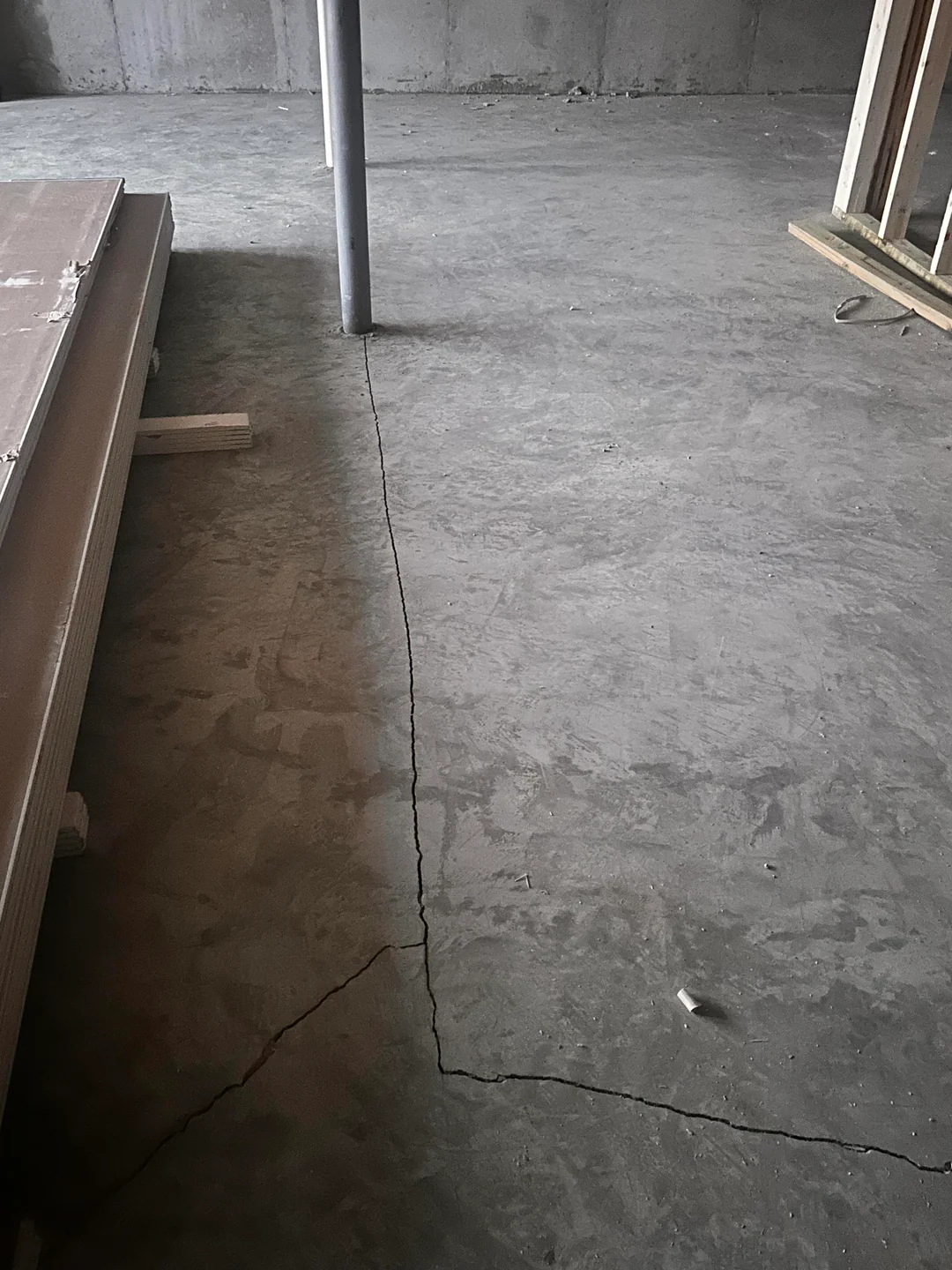
Montavilla, Portland
Water arriving through a single crack under real pressure, plus a crawl space at 74% humidity feeding the whole house.
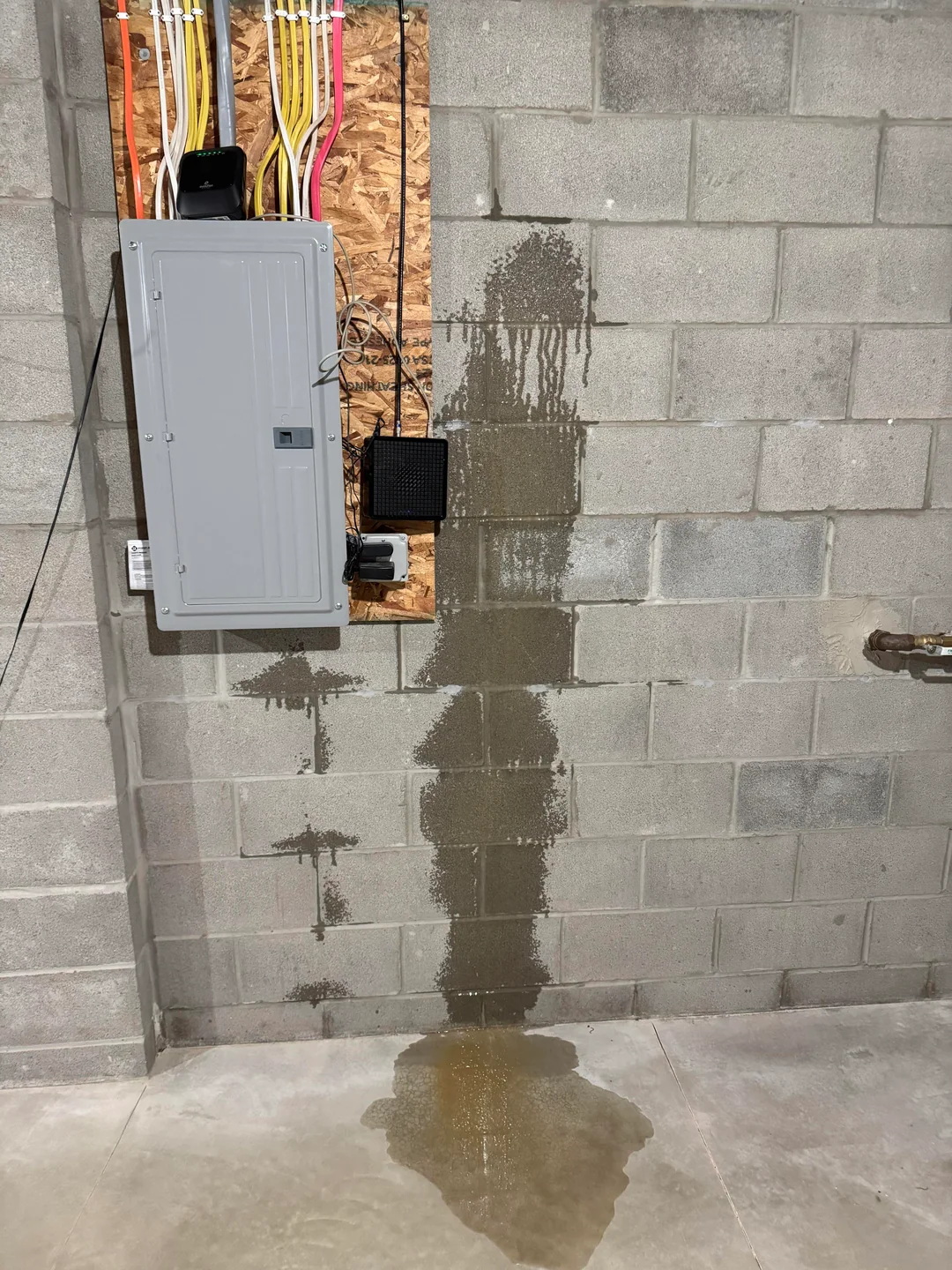
Hawthorne, Portland
A 1,450 sq ft dirt crawl space at 78% humidity, with mold on the joists and floors that never got warm.
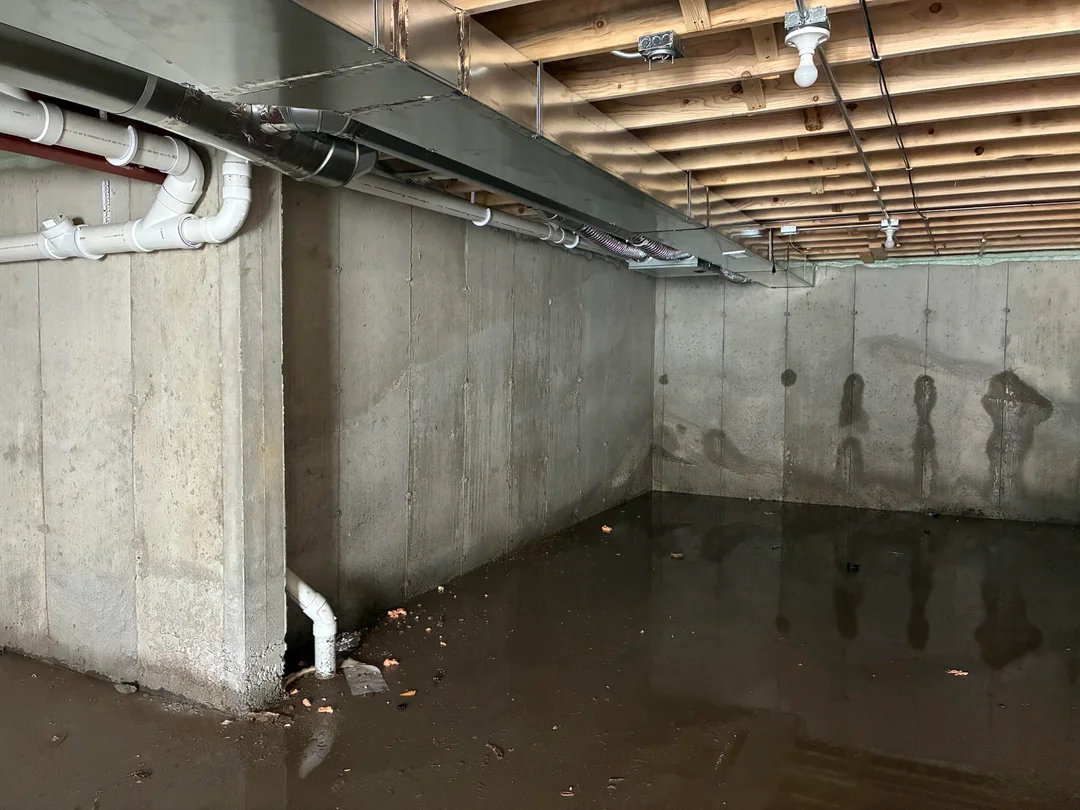
We repair rotted joists, sagging floors, failed insulation and settled piers before a crawl space gets sealed and left alone. Structural work always comes first.
Explore Service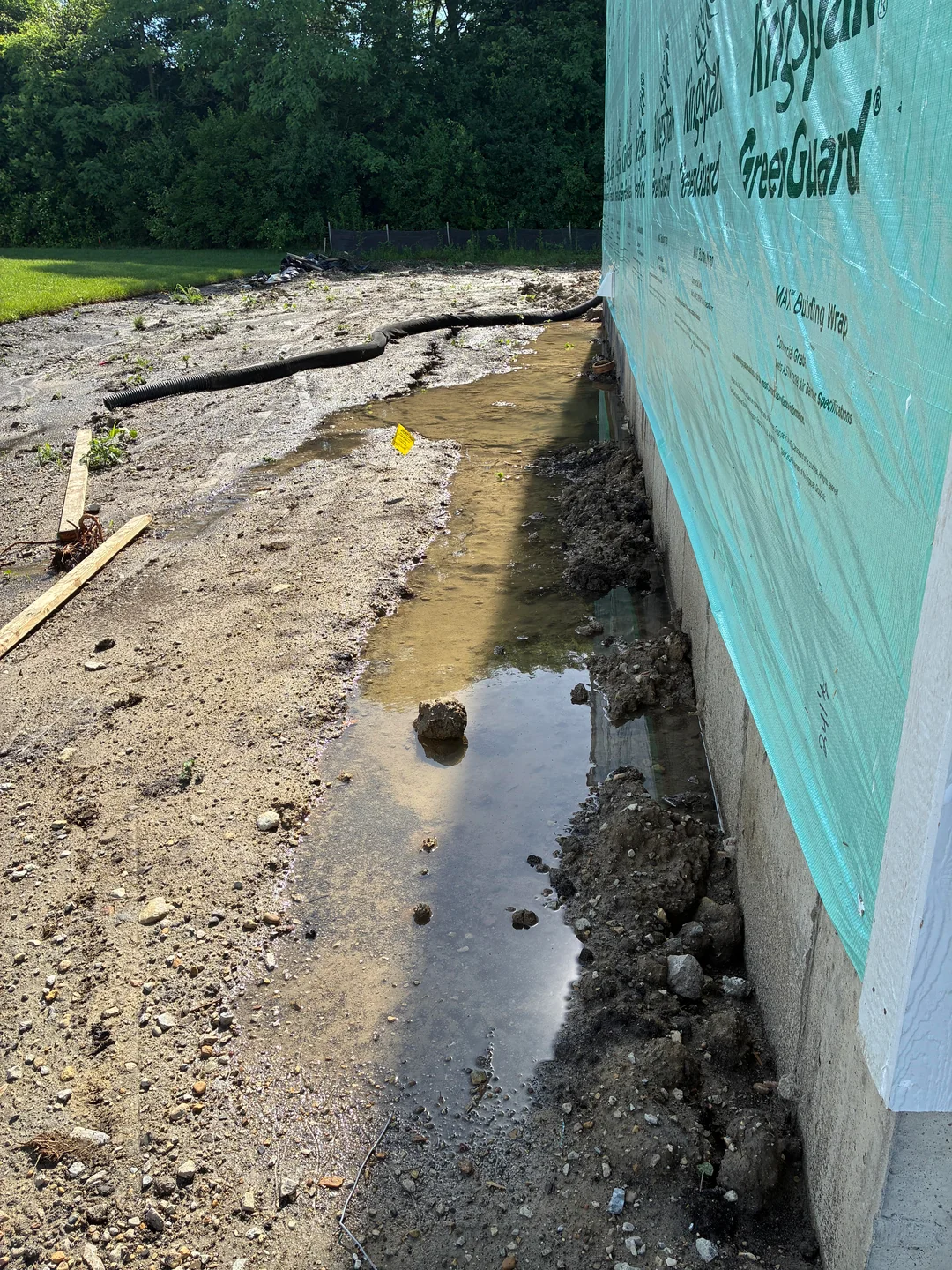
Basement waterproofing, basement crack repair, crawl space encapsulation and crawl space repair for homeowners inside the city of Portland, Oregon.
Explore Service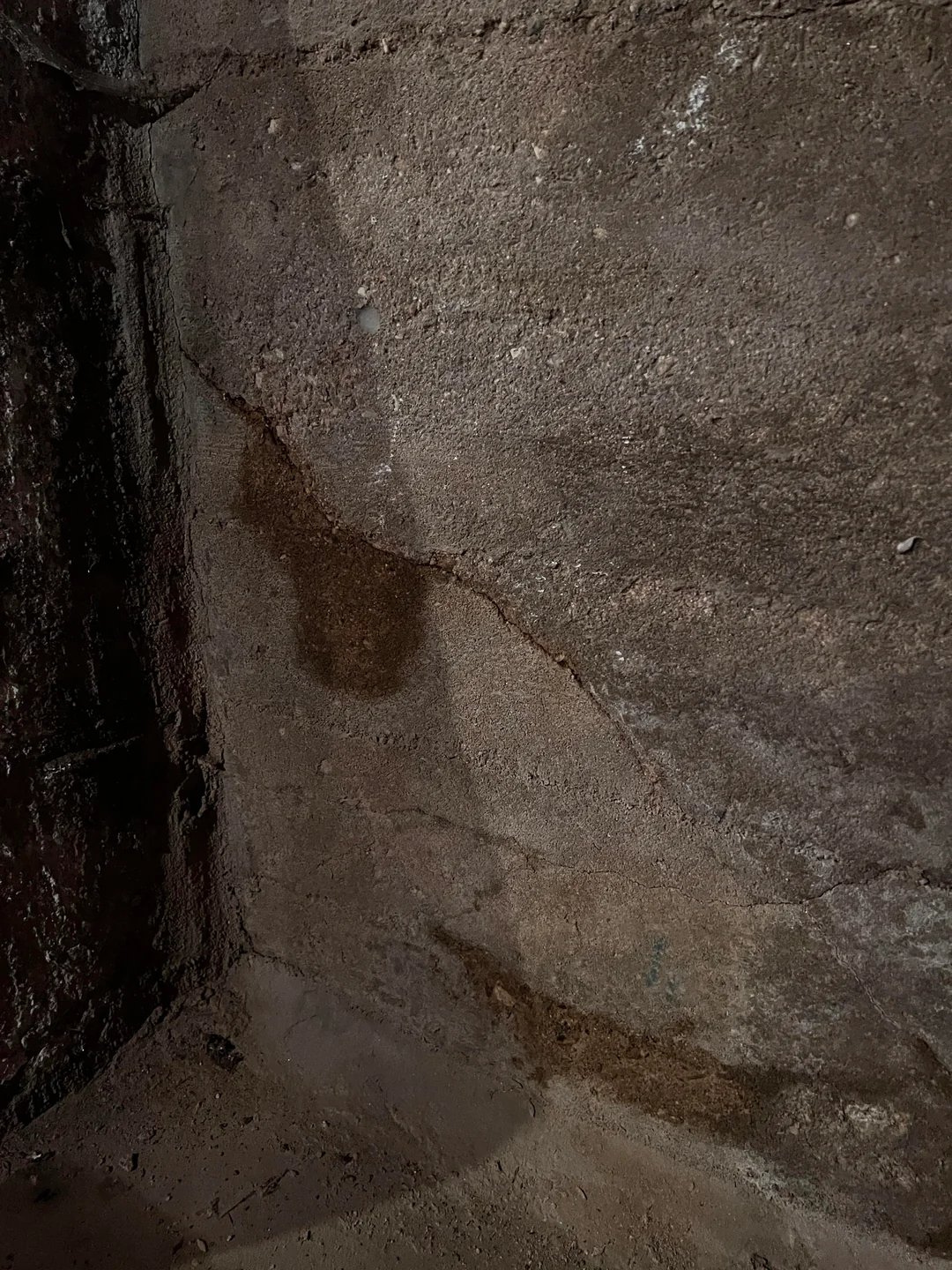
We inject epoxy or polyurethane resin through the full thickness of your foundation wall, not just the surface. The repair is structural, and it carries a lifetime no-re-leak guarantee.
Explore ServiceClosed, in this climate, in both directions. In a Portland summer, an open vent pulls humid outside air onto cool surfaces where it turns to water. From October on, it dumps saturated air under your floor, holds the framing damp for seven months and drives up your heating bill. Sealed and conditioned outperforms vented in every test we run here.
A vapor barrier (opens in a new tab) is one layer of encapsulation, the plastic sheet over the dirt floor. Encapsulation adds sealed walls and pipes, vent sealing, insulation and a dehumidifier on top of it. A vapor barrier alone slows ground moisture. Encapsulation controls the whole space.
Yes. Sealing the ground stops new moisture from evaporating in, but it does not remove the moisture already trapped in the air and the framing. A dedicated dehumidifier (opens in a new tab) is what actually lowers humidity and keeps it there.
Yes, usually. About 40% of the air on your ground floor comes up from the crawl space, so sealing it typically shows up as a 10 to 18% drop in heating and cooling costs, plus floors that no longer feel cold in January.
Yes, and it is one of the more popular side effects. A clean, dry, lit crawl space becomes real storage instead of somewhere nobody wants to go.
Yes. That smell is the stack effect carrying crawl space air into your living space. Once the ground is sealed and humidity is under control, it clears within days, one of the few repairs people can actually smell working.
Not directly over it, no. We solve standing water first, usually with interior drainage and a sump pump, before any liner goes down. If the framing above it has already gone soft, that is crawl space repair first, and sealing over active water traps it exactly where you do not want it.
The 20-mil liner carries a 25-year material warranty, and the seals and workmanship are covered separately. The dehumidifier is the one mechanical part, and like any appliance it has a service life, which is why we check it during your free annual system service.
2 to 4 days for most homes, depending on square footage and whether structural repair is needed first.
Need Crawl Space Encapsulation? We Are Always Ready
Our crew is one call away. We know how stressful this gets, so we run 24/7 emergency dispatch across Portland and give you a fixed price before any work starts.
Portland ZIP codes we cover
Water in the basement, a foundation crack you have been watching, or a crawl space nobody wants to open. Get a straight diagnosis from BWP Portland, with fast response, fixed pricing and workmanship guaranteed for life across the city of Portland.